
Small businesses are the heartbeat of Africa’s economy and beyond.
They innovate.
They employ.
They serve communities.
Yet, they often feel powerless against big companies with:
-
Large budgets
-
Established brands
-
Expansive teams
-
Advanced systems
The good news? Technology levels the playing field.
With the right tools and strategies, a small business in Bamenda, New York, Lagos, or Nairobi can outperform larger competitors.
Here’s how.
1. Automate Repetitive Tasks
Big companies have entire teams for:
-
Customer follow-ups
-
Invoice generation
-
Inventory management
-
Marketing campaigns
Small businesses can use technology to achieve the same results without hiring extra staff.
Examples of automation:
-
WhatsApp business automation for customer follow-ups
-
Automated invoicing and payment reminders
-
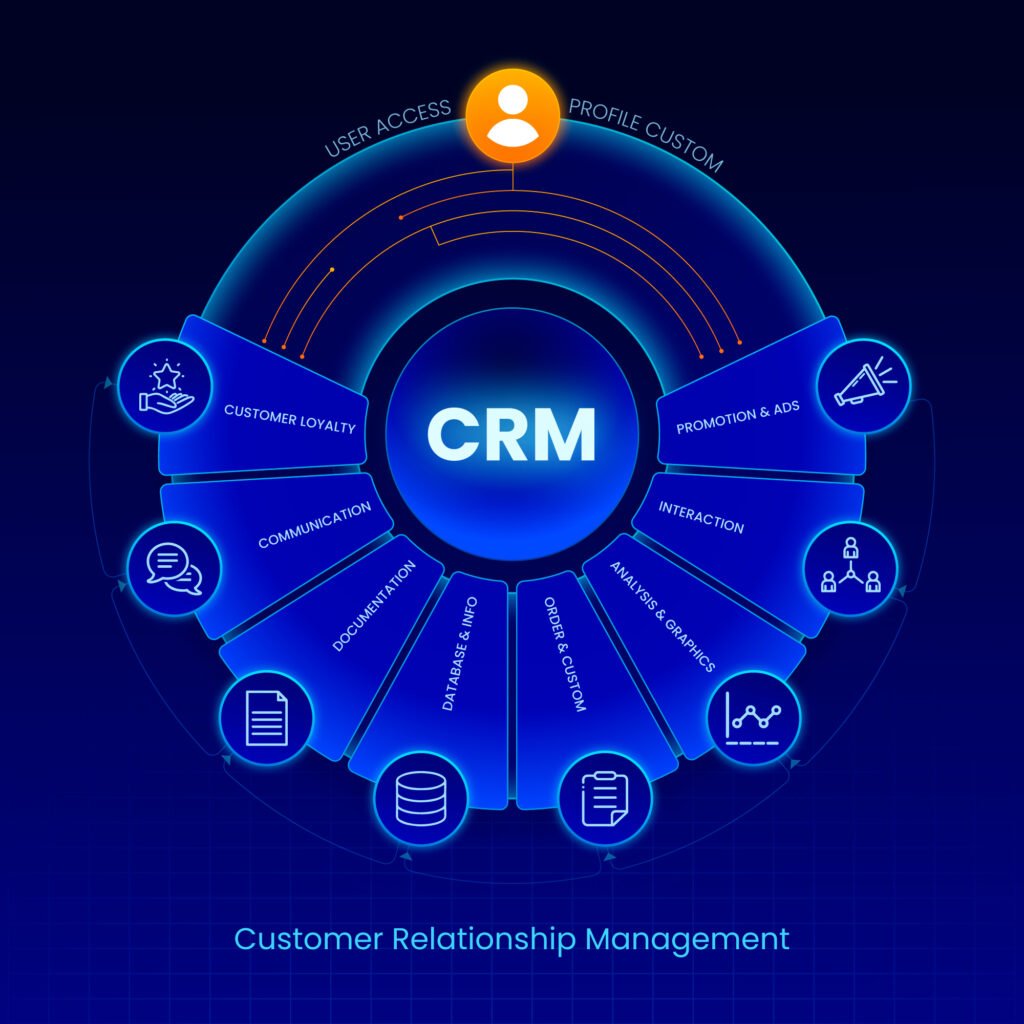
CRM systems like Empowa CRM for lead management
-
Marketing automation for emails, SMS, and social media
Automation saves time, reduces errors, and lets you focus on growth.
2. Use Data to Make Smarter Decisions
Big companies rely on data dashboards, sales reports, and customer insights.
Small businesses can too, with affordable technology:
-
Track sales in real-time
-
Identify top-selling products
-
Monitor customer engagement
-
Measure campaign ROI
Why this matters: Data-driven decisions outperform gut-based guesses every time.
3. Leverage Digital Marketing
Small businesses can reach thousands online without the huge ad budgets of corporations.
Strategies that work in Africa today:
-
Social media marketing (Instagram, Facebook, TikTok)
-
WhatsApp broadcasts and follow-ups
-
SEO-optimized websites
-
Email marketing campaigns
With the right targeting, even a small budget can yield massive results.
4. Build Strong Customer Relationships
Big companies can feel impersonal. Small businesses can turn that into an advantage.
Technology helps you provide personalized experiences:
-
CRM systems track customer preferences
-
Automated follow-ups show you care
-
Personalized offers boost loyalty
Customers remember businesses that are attentive not just big.
5. Sell Anywhere, Anytime
Big companies often have physical stores or complex distribution channels.
With e-commerce and digital tools, small businesses can sell:
-
On WhatsApp
-
Through social media shops
-
On online marketplaces
-
Directly via a website
You can reach customers far beyond your local town without huge overheads.
6. Adopt Cloud-Based Tools
Cloud technology makes enterprise-level systems affordable:
-
Google Workspace or Microsoft 365 for collaboration
-
Cloud accounting software
-
Online project management tools
-
Cloud-based POS systems
You don’t need an IT department. You get flexibility, security, and scalability.
7. Collaborate With Other SMEs
Technology enables collaboration:
-
Joint marketing campaigns
-
Shared logistics
-
Collective bargaining with suppliers
-
Knowledge sharing
When small businesses work together digitally, they gain collective strength to compete with corporates.
8. Protect Your Business with Cybersecurity
Big companies invest heavily in security. Small businesses can protect themselves with:
-
Secure passwords and authentication
-
Regular backups
-
Updated software
-
Encrypted communications
Trust builds credibility. Customers are more likely to buy from businesses that protect their data.
The Advantage of Being Small
Big companies move slowly. Small businesses move fast.
With technology, small businesses can:
-
Launch campaigns quickly
-
Respond to trends immediately
-
Test ideas without bureaucracy
-
Personalize every customer interaction
Technology amplifies the speed and agility that small businesses already have.
Thoughts
In Africa, small businesses don’t have to compete on size.
They can compete on intelligence, efficiency, and speed all powered by technology.
The real question is:
Are you using your tools to level the playing field… or are you still letting big companies dictate the pace?
With the right systems, even a small business in Bamenda, New York, Douala, or Lagos can outsmart, outsell, and outlast bigger competitors.


 By Nexbyt Technology



No comment yet, add your voice below!